
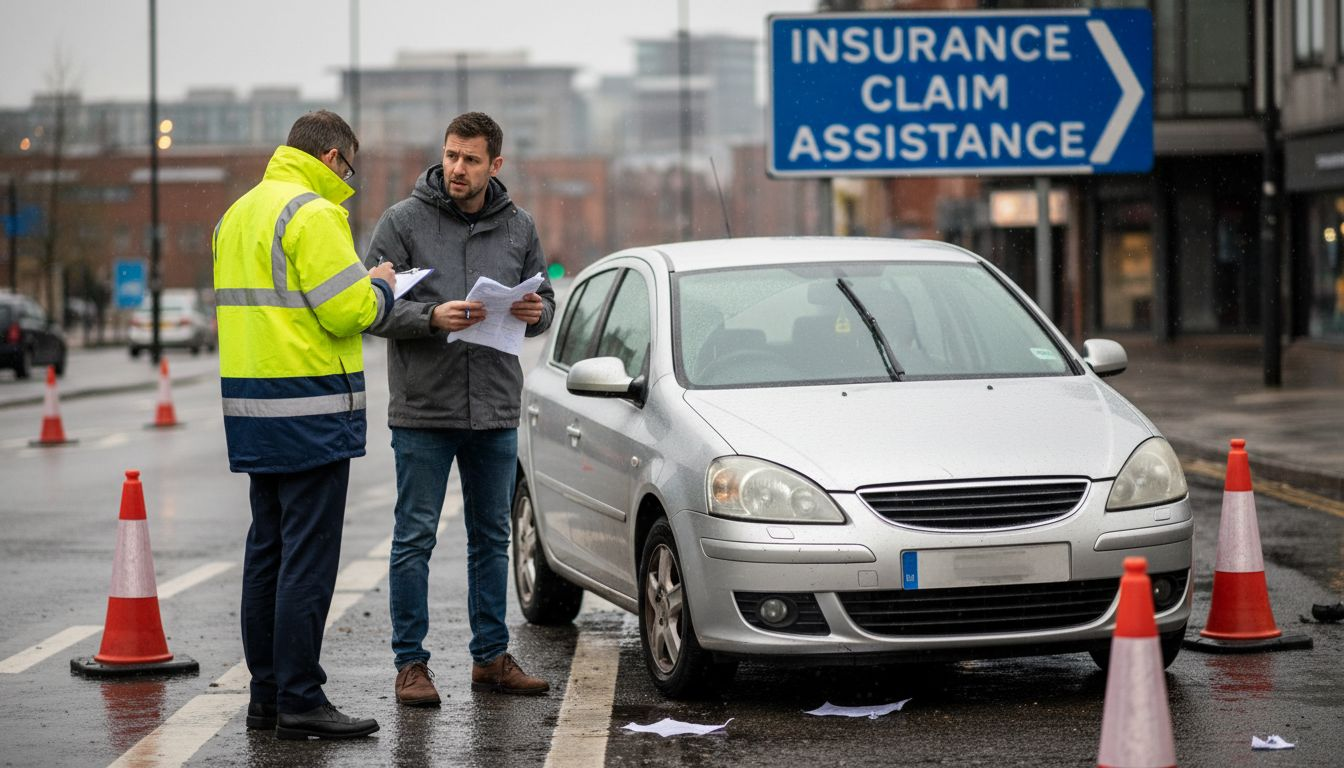
The aftermath of a car accident can be overwhelming, leaving you to deal with unexpected bills for repairs, medical treatment, and even legal disputes. Without the right cover in place, these costs can quickly add up, putting your finances and peace of mind at risk. Drivers need reliable solutions that protect both their savings and their everyday routines.
Learning about the real-world benefits of car insurance means you can prepare for more than just minor mishaps. From covering repairs to providing secure mobility when your own vehicle is off the road, your policy can make a stressful situation much easier to handle.
In the list ahead, you’ll discover the most practical ways car insurance safeguards you, your finances, and your independence after an accident. Each point offers clear, actionable insights that will help you get the most out of your policy and avoid surprises when you need help most.
Table of Contents
- 1. Protect Your Finances After an Accident
- 2. Cover for Vehicle Theft and Vandalism
- 3. Access to Courtesy Cars During Repairs
- 4. Support for Personal Injury Costs
- 5. Windscreen and Glass Cover Explained
- 6. Legal Expenses Protection for Drivers
- 7. No-Claims Discount and How It Saves You Money
Quick Summary
| Takeaway | Explanation |
|---|---|
| 1. Prioritise Comprehensive Insurance | Comprehensive insurance covers theft, vandalism, and accidents, protecting your finances from significant losses. |
| 2. Understand Personal Injury Coverage | Personal injury protection covers medical costs and lost income from accident-related injuries, ensuring you are financially supported during recovery. |
| 3. Leverage No-Claims Discounts | Accumulating a no-claims discount reduces your premiums significantly over time, rewarding safe driving behaviour with lower costs. |
| 4. Document Accidents Thoroughly | Documenting all details immediately after an accident helps ensure your insurer processes claims accurately and efficiently. |
| 5. Check Courtesy Car Benefits | Many policies offer courtesy cars while your vehicle is in for repair, maintaining your mobility without additional costs during repair duration. |
1. Protect Your Finances After an Accident
Car accidents can quickly become expensive. Without proper insurance, you could face costs that drain your savings or leave you in debt for years.
This is where car insurance steps in. It shields your finances by covering repair costs, medical expenses, and liability claims after an accident. Whether you’re responsible or not, your policy helps you avoid catastrophic out-of-pocket costs.
How Insurance Protects Your Money
When an accident happens, several costs pile up fast. Your vehicle needs repairs. Medical bills arrive if anyone is injured. Third-party claims can follow if you’re liable. These expenses add up quickly.
Car insurance handles these financial burdens. Your insurer covers damage to your vehicle, treatment costs for injuries, and compensation claims from other parties. This means you’re not personally responsible for the full cost.
Personal injury claims from road traffic accidents are particularly important. If you suffer whiplash, broken bones, or other injuries, your insurance can cover medical expenses and compensation. The insurer manages the claim process, reducing your stress during recovery.
What Does Your Insurance Actually Cover?
Most policies include essential financial protections:
- Vehicle repairs or replacement if your car is damaged or written off
- Medical expenses for treatment following the accident
- Liability coverage if you’re found responsible for damage or injuries to others
- Uninsured motorist protection if the other driver has no insurance
- Personal belongings coverage for items damaged in the accident
Each type of coverage limits your out-of-pocket expenses. Without these protections, a single accident could cost thousands of pounds.
Real-World Impact
Consider this scenario. You’re involved in an accident that wasn’t your fault. The other driver’s car is damaged, and they require hospital treatment. Without insurance, you’d face repair bills, medical costs, and potential legal fees. With insurance, your provider handles everything.
Understanding available financial support options helps you maximise the protection you already have. Many drivers don’t realise their policy covers unexpected costs they assumed would come from their own pocket.
Your insurance doesn’t just protect your car. It protects your entire financial future after an accident.
The amount you pay in premiums is minimal compared to the costs an accident could create. A modest monthly payment prevents financial catastrophe.
Pro tip: Document everything immediately after an accident—take photos of damage, gather witness details, and report the incident to your insurer within 30 days to ensure your claim gets full protection.
2. Cover for Vehicle Theft and Vandalism
Your car parked outside your home is vulnerable to theft and vandalism. Criminals target vehicles for parts, resale, or simply to cause damage. Without proper protection, you could lose thousands of pounds.
This is where comprehensive insurance becomes essential. It covers financial losses from theft, attempted theft, and vandalism. You’re protected against criminals rather than paying repair or replacement costs yourself.
Why This Coverage Matters
Vehicle crime is a serious problem in the UK. Vehicle theft and vandalism remain prevalent issues affecting communities nationwide. Your car faces genuine risk, whether parked at home, work, or public spaces.
Theft can mean losing your entire vehicle. Vandalism might involve broken windows, slashed tyres, or spray-painted panels. Both situations create expensive consequences.
Comprehensive insurance shields you from these financial burdens. Your insurer covers the cost of repairs or replacement, keeping your savings intact.
What This Coverage Protects
Comprehensive vehicle insurance protects drivers against loss from criminal acts. Your policy typically includes:
- Total vehicle theft if your car is stolen and not recovered
- Attempted theft damage such as broken locks or ignition damage
- Vandalism repairs including broken windows, mirrors, or paintwork
- Tyre damage from slashing or deliberate puncturing
- Catalytic converter theft, an increasingly common crime
- Parts theft like wing mirrors or alloy wheels
Each claim is covered minus your excess. This means you pay a small contribution, and insurance covers the rest.
Real Protection in Action
Imagine your car is vandalised overnight. Repairing windows, mirrors, and paintwork could cost £1,500 to £3,000. With comprehensive cover, you claim through your insurer and pay only your excess, typically £250 to £500.
Or worse, your car is stolen. Replacement costs easily exceed £10,000. Without coverage, this becomes a catastrophic loss. With comprehensive insurance, your insurer replaces the vehicle (up to its agreed value).
Comprehensive cover transforms theft and vandalism from financial disasters into manageable insurance claims.
The peace of mind alone justifies the slightly higher premium for comprehensive policies. You’re protected against criminal acts beyond your control.
Pro tip: Install visible security measures like steering wheel locks or alarm system stickers to deter thieves, then inform your insurer as they may offer premium discounts for additional security.
3. Access to Courtesy Cars During Repairs
Your car breaks down and needs repair work. You’re left stranded without transport. Getting to work, school runs, and daily errands suddenly become impossible.
Many comprehensive insurance policies include courtesy car access whilst your vehicle is being repaired. This benefit keeps you mobile and ensures your life continues without major disruption. You don’t lose productivity or miss important commitments.
Why This Benefit Is Genuinely Useful
Car repairs take time. A significant accident might require weeks of work. Engine problems, gearbox failures, or major bodywork damage don’t get fixed overnight.
Without a courtesy vehicle, you’re stuck. You might need to rent a car at significant daily cost. You could rely on public transport that doesn’t suit your schedule. You might burden friends or family for lifts.
A courtesy car eliminates these problems. Your insurer or repair shop provides a temporary vehicle at no extra charge. You maintain your normal routine whilst repairs happen.
How Courtesy Car Access Works
Courtesy vehicles ensure drivers maintain mobility during repairs. Here’s what typically happens:
- Your car is damaged or breaks down and needs repair
- You contact your insurer or approved repair centre
- They arrange a courtesy vehicle for you immediately
- You use the temporary car whilst yours is being fixed
- Once repairs finish, you return the courtesy car
- You collect your own vehicle
The entire process is seamless. Most insurers have agreements with repair shops to provide these vehicles automatically.
Practical Examples
Imagine you’ve had an accident requiring a week of repairs. A courtesy car means you still drive to work, take children to school, and manage appointments. Without it, you’d lose a week of productivity and pay for alternative transport.
Or your engine fails unexpectedly. Repairs take ten days. Your courtesy car keeps you independent during that time rather than juggling taxis and borrowed vehicles.
A courtesy car transforms repair time from stressful disruption into manageable inconvenience.
This benefit alone justifies choosing comprehensive insurance. You’re not just protected financially. You’re protected against losing your independence during repairs.
Check whether your policy includes this benefit. Not all policies offer it, and some come with restrictions like vehicle size or daily mileage limits.
Pro tip: Ask your repair shop about courtesy car availability when getting a quote, and confirm whether your insurance covers the daily rental cost if the shop doesn’t provide one included.
4. Support for Personal Injury Costs
Car accidents cause injuries. Whiplash, broken bones, internal injuries, and psychological trauma can all result from a collision. Medical treatment is expensive, and recovery time means lost income.
Car insurance includes personal injury protection to cover these costs. Your policy pays for medical treatment, rehabilitation, and compensation for pain and suffering. You’re not left bearing injury expenses alone.
Understanding Personal Injury Cover
Personal injury claims arise from road traffic accidents. Personal injury cover helps support costs from accident-related injuries. Whether you’re responsible for the accident or not, your insurance protects you.
Injuries sustained in car accidents range from minor to life-altering. Whiplash causes chronic neck pain and requires physiotherapy. Broken limbs need surgery and months of rehabilitation. Head injuries can affect cognitive function permanently.
Your insurer covers medical expenses related to these injuries. This includes hospital treatment, GP visits, physiotherapy, and prescription medications. You don’t pay these costs from your own pocket.
What’s Covered Under Personal Injury Protection
Most policies include comprehensive personal injury support:
- Medical and hospital treatment for injuries sustained in the accident
- Physiotherapy and rehabilitation to aid recovery
- Prescription medication costs related to injury treatment
- Compensation for pain and suffering from your injuries
- Lost income replacement if you cannot work during recovery
- Care costs if injuries prevent you from managing daily tasks
- Travel costs to medical appointments
Each claim is assessed individually based on injury severity and treatment needs. More serious injuries attract higher compensation.
Real-World Scenarios
Consider a whiplash injury from a minor accident. Treatment costs include GP appointments, physiotherapy sessions, and medication. Without insurance, you’d spend £500 to £1,500 on these expenses. Your insurer covers it all.
Or imagine a serious fracture requiring surgery and six months of rehabilitation. Medical costs easily exceed £5,000. Your insurance covers treatment and compensates you for recovery time and pain.
Personal injury cover transforms medical costs from personal expenses into insured protection.
You’re protected not just from vehicle damage, but from the human cost of accidents. This protection matters far more than most drivers realise.
Check your policy documents to understand your personal injury limits and any exclusions that might apply.
Pro tip: Keep detailed records of all medical appointments, treatments, and expenses after an accident, as your insurer will need this documentation to process personal injury claims accurately.
5. Windscreen and Glass Cover Explained
A stone strikes your windscreen whilst driving on the motorway. A crack spreads across the glass. You need it replaced urgently for safety reasons.
Windscreen and glass cover is a specific insurance benefit that repairs or replaces damaged glass without major expense. It protects you from costly repairs that can run into hundreds of pounds.
Why Glass Damage Matters
Windscreen damage happens frequently. Stones from lorries, debris from accidents, and impacts from other vehicles all cause chips and cracks. Your windscreen is essential for safety and visibility.
Replacing a windscreen costs £200 to £400 depending on your car model. Rear windows and side glass add another £150 to £300 each. A single stone impact can create significant expense.
Without cover, you pay these costs entirely from your own funds. With glass cover, your insurer handles it. You pay only a small excess or nothing at all.
What Glass Cover Includes
Windscreen and glass cover protects drivers from high repair costs. Most policies include:
- Windscreen repair or replacement for chips, cracks, and complete damage
- Rear window replacement if damaged in accidents or vandalism
- Side window glass including door windows
- Sunroof or panoramic roof glass on equipped vehicles
- Wing mirror glass in some policies
- Headlight and taillight covers on comprehensive policies
The insurer either repairs small damage or replaces the entire panel depending on damage severity. Repairs cost less and happen quickly.
Real Costs and Savings
Here’s why this cover makes sense. A motorway journey damages your windscreen. Repair costs £250. Your glass cover excess is typically £0 to £75, meaning you save £175 to £250.
Or vandals smash your rear window. Replacement costs £280. With cover, you pay your excess. Without it, you pay the full amount.
Over a driver’s lifetime, glass damage occurs multiple times. The savings add up significantly.
Glass cover transforms expensive repairs into small, manageable claims.
Many drivers overlook this benefit when choosing policies. Yet it provides genuine value and protects against common, expensive damage.
Check whether your policy includes glass cover and what your excess is. Some insurers offer zero excess on glass claims.
Pro tip: When claiming for glass damage, get quotes from your insurer’s approved repair network first, as they often provide faster turnaround and may waive excess costs for repairs done through their partners.
6. Legal Expenses Protection for Drivers
You’re involved in a car accident. The other driver disputes fault. You need a solicitor to protect your interests and claim compensation. Legal fees quickly mount to thousands of pounds.
Legal expenses protection is an insurance benefit that covers solicitor fees and court costs. Your insurer pays for professional legal representation when disputes arise. You’re protected from bearing these substantial costs alone.
Understanding Legal Expenses Cover
Car accidents often lead to disputes. One driver claims the other was responsible. Insurance companies disagree about liability. Compensation amounts become contested.
Resolving these disputes requires legal expertise. Solicitors charge £150 to £300 per hour. Court proceedings cost even more. A single case can easily exceed £5,000 in legal fees.
Legal expenses protection provides coverage for lawyer fees and court costs. Your insurance policy covers these professional fees, meaning you don’t pay them personally.
What Legal Expenses Cover Includes
Most comprehensive policies include legal protection for:
- Solicitor fees for accident-related legal representation
- Barrister costs if your case goes to court
- Court fees and expenses for civil claims
- Legal advice on driving-related matters
- Representation in disputes with third parties
- Uninsured losses recovery claims against responsible parties
- Motor law specialist assistance for traffic offences
Your insurer typically appoints a solicitor from their approved network. This solicitor works on your behalf at no cost to you.
How This Protects You
Imagine you’re injured in an accident caused by another driver. You want compensation for medical costs and lost income. The other driver’s insurer disputes your claim.
Your solicitor negotiates on your behalf. If settlement fails, they take your case to court. Without legal expenses cover, you’d pay these costs from your compensation or from personal funds.
With cover, your insurer funds the legal battle. You receive your compensation without legal fees reducing the amount.
Legal expenses protection ensures you can afford justice without sacrificing your compensation.
This benefit levels the playing field when disputes arise. Large insurance companies cannot intimidate you with expensive legal threats.
Check your policy wording for any exclusions or conditions. Some policies limit cover to certain dispute types.
Pro tip: Contact your insurer immediately when a dispute arises, as legal expenses cover often requires authorisation before you incur costs, and delays may result in claims being denied.
7. No-Claims Discount and How It Saves You Money
Each year you don’t claim on your car insurance, your premiums should decrease. This no-claims discount rewards safe driving with substantial savings. Over time, these discounts compound, making responsible driving financially rewarding.
For many drivers, a no-claims discount represents the single biggest way to reduce insurance costs. Building and protecting your discount should be a priority when managing your car insurance expenses.
How No-Claims Discounts Work
Insurance companies use no-claims discounts to incentivise safer driving behaviour. Drivers who don’t make claims pose lower risk to insurers. Lower risk means lower premiums for you.
Your discount increases with each claim-free year. Most insurers offer discounts starting at around 20% after your first year without claims. By year five, you might enjoy 60% discount or more.
This creates a powerful incentive to drive safely and avoid making unnecessary claims. Even small accidents can cost you thousands in lost discounts over subsequent years.
Real Savings Examples
Consider this scenario. A 35-year-old driver pays £800 annually for comprehensive coverage. After one claim-free year, they get 20% discount, reducing the premium to £640.
After five claim-free years, a 60% discount brings the premium to just £320 annually. That’s £480 saved every single year by maintaining their no-claims record.
But make a claim in year four. You lose your discount and return to the base premium. Over ten years, that single claim costs you thousands in forgone discounts.
Building Your Discount
No-claims discounts typically accumulate as follows:
- Year 1 – Base premium (0% discount)
- Year 2 – 20% discount
- Year 3 – 30% discount
- Year 4 – 40% discount
- Year 5 – 50% discount or higher
- Years 6+ – Maximum discount (often 60% to 70%)
Each insurer sets their own discount scale, so rates vary. Some offer higher discounts than others. This is why comparing insurance quotes across providers helps you find the best rates at your current discount level.
Protecting Your Discount
Once you build a no-claims discount, protecting it becomes crucial. Think carefully before making small claims. A £500 repair might not be worth losing £200 annual discount for five years.
Many drivers choose to pay small claims out of pocket rather than claim on insurance. This protects their discount and keeps premiums lower long-term.
Your no-claims discount is one of your most valuable insurance assets. Protect it carefully.
Some insurers offer “protected no-claims discount” as an add-on. This allows one claim without losing your discount. This protection typically costs £20 to £50 annually but can save you hundreds if you need to claim.
Pro tip: When switching insurers, ask about transferring your no-claims discount from your previous provider, as new insurers typically honour your full discount history, ensuring continuous savings as you move between companies.
Below is a comprehensive table summarising the key aspects and insights from the article regarding car insurance benefits and coverage.
| Topic | Overview | Key Benefits |
|---|---|---|
| Financial Protection after Accidents | Insurance covers repair and medical expenses, including third-party claims. | Avoids catastrophic financial losses post-accident. |
| Theft and Vandalism Coverage | Comprehensive policies safeguard against vehicle-related crimes. | Covers repair or replacement costs caused by theft or vandalism. |
| Courtesy Car Provision | Temporary vehicles provided during repair periods. | Ensures continued mobility and productivity. |
| Personal Injury Cover | Addresses medical and rehabilitation expenses from accidents. | Supports recovery and lost income compensation. |
| Windscreen and Glass Protection | Specific coverage for glass repair and replacement. | Minimises out-of-pocket costs for frequent incidents of glass damage. |
| Legal Expenses Coverage | Insurance aids in legal disputes arising from accidents. | Covers solicitor and court expenses, protecting financial stability. |
| No-Claims Discount | Rewards safe driving with premium reductions. | Encourages responsible driving; builds substantial savings over time. |
This table provides a high-level overview of the article’s discussion points for reader clarity.
Discover the Full Power of Your Car Insurance with Wise Choice Comparisons
Understanding the true benefits of car insurance can be overwhelming with so many coverage types like personal injury protection, comprehensive cover, courtesy cars and legal expenses protection. If you want to avoid costly surprises after an accident or theft and protect your finances wisely, you need clear choices and trusted advice tailored to UK drivers. This article highlights key protections that every driver should know — but how do you find the right policy that fits your needs and budget?

Take control of your car insurance today with Wise Choice Comparisons Your go-to platform for free, impartial, and easy-to-understand insurance comparisons designed for UK residents. Compare cover options side by side and discover policies that safeguard your vehicle and your financial future. Don’t wait until an accident happens to realise your policy lacks crucial benefits. Visit our Uncategorized category for the latest insights and begin your journey to smarter car insurance. Protect yourself now and save money with our trusted, transparent service.
Frequently Asked Questions
What is the importance of personal injury protection in car insurance?
Personal injury protection is crucial as it covers medical expenses and rehabilitation costs resulting from car accidents. Ensure your policy includes this coverage to avoid significant out-of-pocket expenses related to injuries.
How can I maintain my no-claims discount?
To maintain your no-claims discount, avoid making small claims and consider paying for minor repairs out of pocket. This can save you a substantial amount in premiums over time, as your discount could increase significantly—up to 60% or more after multiple claim-free years.
What should I do immediately after a car accident to ensure my insurance claim is protected?
Immediately document the accident by taking photos of the damage and gathering witness information. Report the incident to your insurer within 30 days to ensure your claim is fully protected and processed efficiently.
Why is comprehensive insurance recommended for protecting against theft and vandalism?
Comprehensive insurance is recommended as it covers costs related to theft, attempted theft, and vandalism, protecting you from significant financial losses. Check your policy to confirm it includes this type of coverage, which can save you thousands if your vehicle is damaged or stolen.
How does courtesy car access benefit me during vehicle repairs?
Courtesy car access ensures you remain mobile while your vehicle is being repaired, allowing you to maintain your daily routine without disruption. Verify that your comprehensive insurance policy includes this benefit to avoid any inconvenience during repair periods.
What types of legal expenses are covered under my car insurance policy?
Legal expenses protection typically covers solicitor fees, court costs, and legal advice related to road traffic accidents. Review your policy details to understand the specific legal services included, so you can leverage this support effectively when needed.
Recommended
- 10 Smart Tips for Comparing Insurance Quotes in the UK – Wise Choice Comparisons
- 10 Smart Tips for Comparing Insurance Quotes in the UK – Wise Choice Comparisons
- Top 10 UK Services You Should Compare Before Renewing in 2026 – Wise Choice Comparisons
- Top 10 UK Services You Should Compare Before Renewing in 2026 – Wise Choice Comparisons
- Insurance Policies That Should Be Company Benefits | Capital For Business
- It’s Always A Good Time To Review Your Insurances !! – Mortgage Managers