

UK drivers who compare car insurance quotes can save up to 40% annually, yet many stick with their current provider year after year. The UK car insurance market remains competitive but confusing, with over 100 insurers offering vastly different premiums for identical coverage. Legal requirements demand coverage, but choosing the right policy shouldn’t feel overwhelming. This guide reveals how to navigate the comparison process, spot genuine value, and secure coverage that protects both your vehicle and your wallet using smart tips for comparing insurance quotes.
Table of Contents
- How Car Insurance Pricing Works In The UK
- Common Misconceptions About Car Insurance Comparison
- Mechanics And Benefits Of Comparing Car Insurance Online
- Maximizing Savings And Finding The Right Coverage
- Conclusion: Empowering Decisions Through Informed Comparison
- Frequently Asked Questions About Comparing Car Insurance In The UK
Key Takeaways
| Point | Details |
|---|---|
| Price differences reach 40% between insurers for identical drivers | Comparing quotes can save hundreds of pounds annually |
| Cheapest policies often meet legal requirements perfectly | Budget options deliver adequate protection when properly compared |
| Switching insurers beats staying loyal every time | Annual comparisons prevent overpaying as premiums change |
| Multiple comparison tools reveal more options | Using several sites ensures you see the widest market coverage |
| Coverage details matter as much as price | Understanding policy features prevents expensive gaps in protection |
How Car Insurance Pricing Works in the UK
Insurers assess your risk profile using dozens of data points to calculate premiums. Your age, driving history, postcode, and vehicle type all feed into complex algorithms that determine what you’ll pay. Younger drivers and urban residents typically face higher costs because statistics show they’re more likely to claim.
Coverage type dramatically impacts pricing too. Third party insurance costs less than comprehensive, but the price gap isn’t always as wide as you’d expect. Driver risk profile and coverage types primarily drive UK car insurance premiums, creating unique price points for each customer.
Insurers compete aggressively for specific customer segments. One company might target young drivers with competitive rates while another focuses on experienced motorists. This competitive segmentation explains why identical drivers receive quotes ranging from £400 to £1,200 from different providers.
Key factors that influence your premium include:
- Your age and how long you’ve held a licence
- Claims history and no claims bonus years accumulated
- Postcode and where you park overnight
- Annual mileage and how you use your vehicle
- Vehicle make, model, and security features installed
- Coverage level selected and excess amount chosen
Understanding these variables helps you identify car insurance pricing explained patterns and spot genuinely competitive offers. Insurers adjust prices constantly based on market conditions, claims data, and business targets, which means the cheapest option today might not hold that position next month.
Common Misconceptions About Car Insurance Comparison
Many drivers believe cheap insurance equals poor coverage, but 60% of the cheapest UK car insurance policies meet all legal requirements perfectly. Budget policies often come from newer insurers with lower operating costs or companies targeting specific demographics with aggressive pricing.
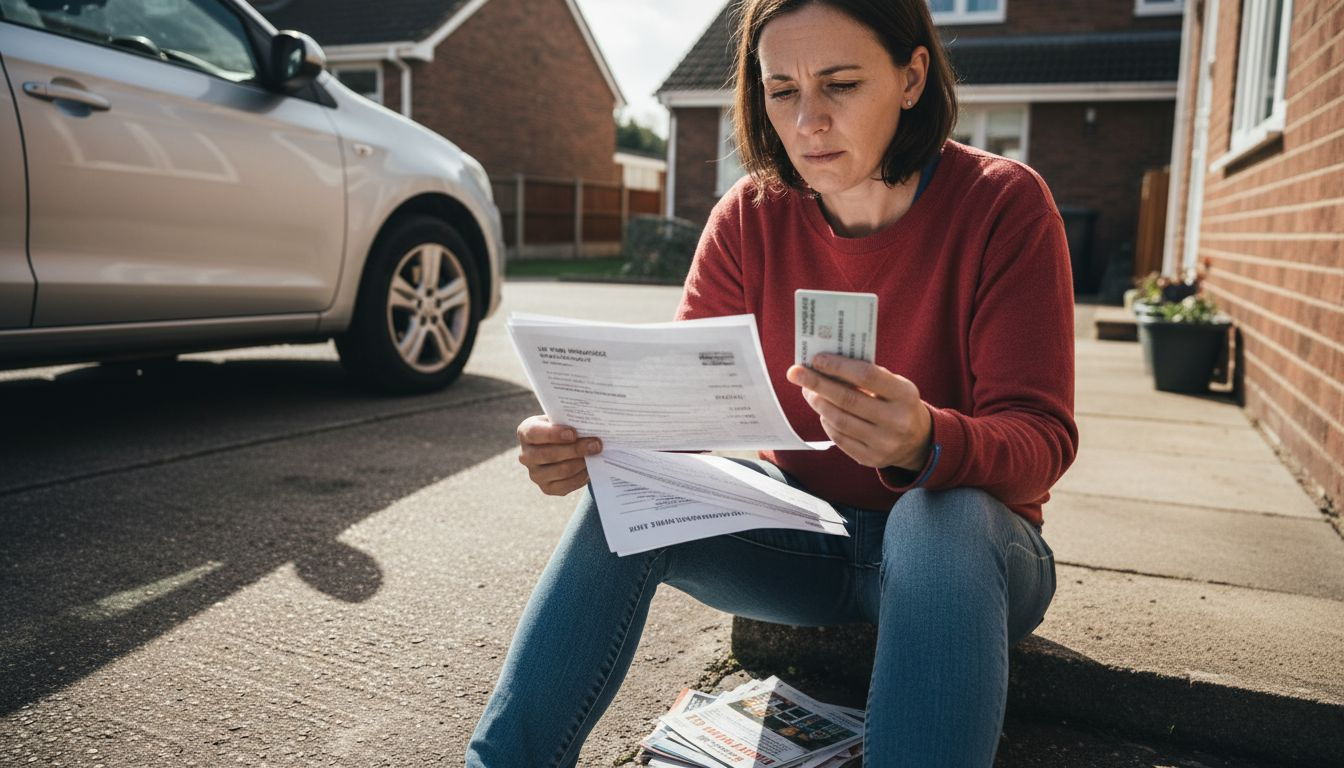
Loyalty rarely pays in insurance. Staying with the same provider year after year typically costs you money because insurers offer their best deals to new customers. Switching insurers saves UK drivers on average £120 annually compared to passive renewal, making annual comparison a financially smart habit.
Price differences don’t automatically signal quality gaps. All UK insurers must meet Financial Conduct Authority regulations and honor valid claims regardless of premium levels. The variation stems from different risk assessments, operational costs, and market strategies rather than coverage adequacy.
Common myths preventing smart comparison include:
- Believing branded insurers always provide better service than budget alternatives
- Assuming your current insurer will match or beat competitor quotes automatically
- Thinking comparison sites show identical results across all platforms
- Fearing that multiple quote searches damage your credit score
- Accepting that insurance must cost more each year due to inflation alone
“The biggest mistake UK drivers make is assuming their current insurer offers the best value simply because they’ve had no problems. Price optimization means loyal customers subsidize new customer discounts.”
Recognizing these misconceptions opens opportunities for substantial savings. Understanding that switching insurers saves money and avoiding common insurance misconceptions positions you to make confident decisions. Review car insurance myths busted and explore switching insurance savings to understand the real market dynamics.
Mechanics and Benefits of Comparing Car Insurance Online
Online comparison platforms aggregate quotes from dozens of insurers within minutes, eliminating the need to contact each company individually. You enter your details once, and the system distributes your information to participating insurers who return quotes based on their current pricing models.
These tools dramatically expand market visibility. Rather than checking three or four insurers manually, comparison sites present 50+ options simultaneously. This comprehensive view reveals pricing patterns and outliers that would remain hidden through traditional shopping methods.
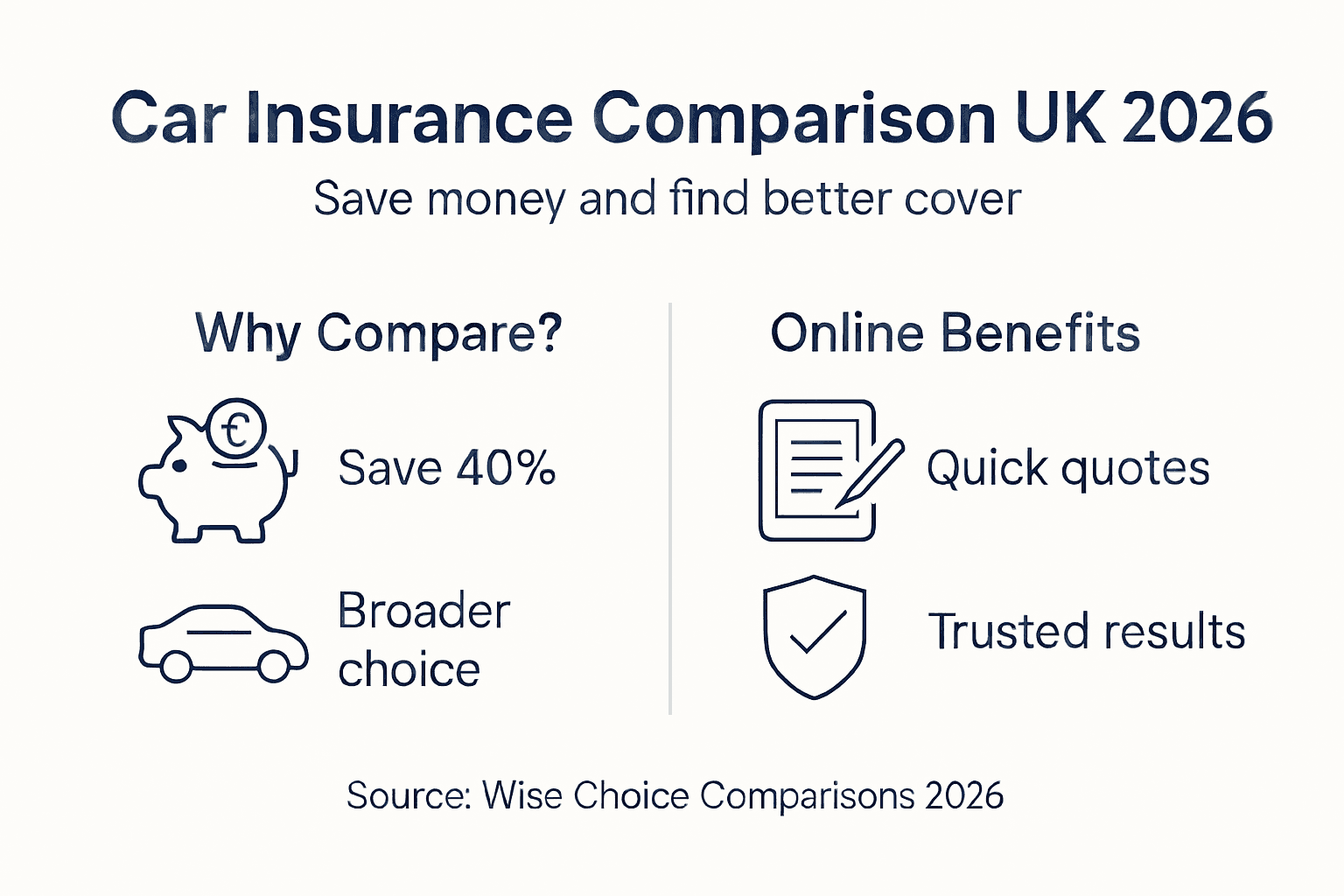
Limitations exist within the system. Not every insurer participates in every comparison platform, and some large providers like Direct Line and Aviva sell exclusively through their own channels. Data entry errors can skew results too, with incorrect mileage or postcode details producing inaccurate quotes.
Follow these steps for effective comparison:
- Gather accurate information about your vehicle, driving history, and coverage needs before starting
- Use at least three different comparison sites to ensure comprehensive market coverage
- Review policy details beyond the headline price, checking excess levels and coverage features
- Verify insurer credentials and claims handling reputation through independent reviews
- Contact shortlisted insurers directly to confirm final prices and clarify any coverage questions
- Compare renewal quotes against new customer offers annually rather than accepting automatic renewals
Pro Tip: Set a calendar reminder 21 days before your renewal date. This timing gives you adequate comparison time while avoiding early renewal penalties and last minute rush decisions that often lead to overpaying.
Using multiple comparison sites expands options and improves savings opportunities significantly. The convenience factor alone saves hours of research time, but the real value comes from identifying price differences you’d never discover through manual searches. Apply effective car insurance comparison tips consistently to maximize results.
Maximizing Savings and Finding the Right Coverage
Balancing cost and coverage requires understanding what protection you actually need versus what sounds impressive in marketing materials. Comprehensive insurance covers damage to your own vehicle plus third party liability, while third party fire and theft adds limited own vehicle protection to basic legal coverage.
Your personal risk profile should guide coverage decisions. New or valuable vehicles typically justify comprehensive cover, while older cars with low market values might make more financial sense with third party only. Calculate whether annual comprehensive premiums exceed your vehicle’s replacement cost.
Annual re-comparison helps avoid overpaying due to market changes and personal profile updates throughout the year. Your circumstances change, insurer appetites shift, and new competitors enter the market constantly, creating fresh opportunities for savings.
Key strategies for optimal coverage selection:
- Match excess levels to your emergency fund capacity, balancing lower premiums against potential claim costs
- Add named drivers strategically, as experienced co-drivers sometimes reduce premiums for young policyholders
- Consider annual versus monthly payment costs, as spreading premiums adds interest charges
- Review optional extras like breakdown cover and legal protection for standalone value
- Protect your no claims bonus separately if you have five or more years accumulated
| Coverage Type | Legal Protection | Own Vehicle Damage | Typical Cost Range |
|---|---|---|---|
| Third Party Only | Yes | No | £400 – £800 |
| Third Party Fire & Theft | Yes | Fire/theft only | £450 – £900 |
| Comprehensive | Yes | Yes | £500 – £1,200 |
Pro Tip: Don’t automatically accept the lowest excess option. Increasing your voluntary excess from £100 to £250 can reduce premiums by 15 to 20%, and if you’re a careful driver who rarely claims, you’ll likely never pay that excess anyway.
Applying maximizing insurance savings tips systematically transforms comparison from a chore into a wealth building habit. Every pound saved on insurance frees money for other priorities, and the cumulative effect over years becomes substantial. Use resources to find better insurance deals efficiently and consistently.
Conclusion: Empowering Decisions Through Informed Comparison
Comparing car insurance transforms from confusing obligation to money saving strategy when you understand market mechanics. The 40% savings potential isn’t marketing hype but reflects genuine price variation across UK insurers competing for different customer segments.
Informed comparison delivers two critical benefits beyond immediate cost savings. You gain confidence in your coverage decisions, knowing you’ve evaluated options thoroughly rather than accepting whatever renewal quote arrives. This confidence reduces insurance anxiety and helps you focus on actual driving rather than worrying about policy adequacy.
Financial control emerges as the ultimate reward. Taking charge of your insurance spending rather than passively accepting price increases puts hundreds of pounds back in your budget annually. Multiply those savings across other household services, and comparison becomes a cornerstone of smart financial management.
Regular comparison builds market awareness too. You start recognizing pricing patterns, understanding your risk profile better, and anticipating when to expect competitive offers. This knowledge compounds over time, making each subsequent comparison faster and more effective than the last.
Find Your Best Car Insurance Deals with Wise Choice Comparisons
Ready to stop overpaying and start saving on your car insurance? Wise Choice Comparisons delivers the tools, insights, and access you need to compare UK car insurance efficiently.

Our platform connects you with trusted insurers while providing guidance through every comparison decision. Whether you’re a new driver seeking your first policy or an experienced motorist looking to reduce renewal costs, we help you navigate options confidently. Access smart tips for comparing quotes tailored to UK drivers, explore our comprehensive Wise Choice comparison services, and discover proven strategies to save hundreds every year on essential household costs. Start comparing today and take control of your insurance spending.
Frequently Asked Questions About Comparing Car Insurance in the UK
What factors most affect car insurance premiums in the UK?
Your age, postcode, driving history, and vehicle type create your risk profile that insurers use to calculate premiums. Younger drivers and urban residents typically pay more due to higher statistical claim rates, while longer driving histories and safer postcodes reduce costs.
How often should I compare car insurance quotes?
Compare quotes annually about three weeks before your renewal date to ensure adequate shopping time without rushing. Market conditions change constantly, and your personal circumstances evolve, creating new savings opportunities each year that passive renewal misses completely.
Is the cheapest policy always the best choice?
Cheapest works brilliantly when coverage meets your needs and the insurer maintains solid claims handling reputation. Price matters significantly, but verify that policy features, excess levels, and coverage limits align with your risk tolerance and vehicle value before committing.
Can I trust online comparison sites to show all available options?
Comparison sites provide excellent market coverage but don’t include every insurer, as some major providers sell exclusively through direct channels. Using multiple comparison platforms plus checking direct insurer websites ensures you see the widest possible range of quotes and options.
What coverage types should I consider for my car?
Third party only satisfies legal requirements and suits older vehicles with low values, while comprehensive makes sense for newer or valuable cars where own damage coverage justifies the premium difference. Third party fire and theft bridges these options, offering middle ground protection at intermediate cost.